Dyson
After leaving Babcock, I joined Dyson as part of the New Product Innovation Software Team (NST), a multidisciplinary group working across the entire technology stack—from embedded systems and application development through to cloud services and data science. During my time in the team, I developed numerous prototypes and explored a wide range of technologies, from bare-metal microcontrollers to embedded Linux platforms.
Due to IP restrictions, I’m unable to share specific details about the prototypes, their architectures, or their intended applications. However, watch this space—several of these early concepts are making their way toward full product development.
Digital Concepts Engineering
During my time as an Electrical Graduate, I was seconded to a small but highly innovative startup called Digital Concepts Engineering (DCE). Their business model focused on retrofitting existing military and commercial vehicles converting them into unmanned or fully autonomous platforms. They operated across a diverse range of sectors, including Defence, Healthcare, Nuclear, and Agriculture, making it a fascinating environment to work in.
Shown below is their X Series platform, one of the tracked robotic vehicles I had the opportunity to work with. It is a modular, ruggedised platform capable of supporting a wide range of sensors, payloads, and mission-specific equipment.
Building an Autonomous Robot
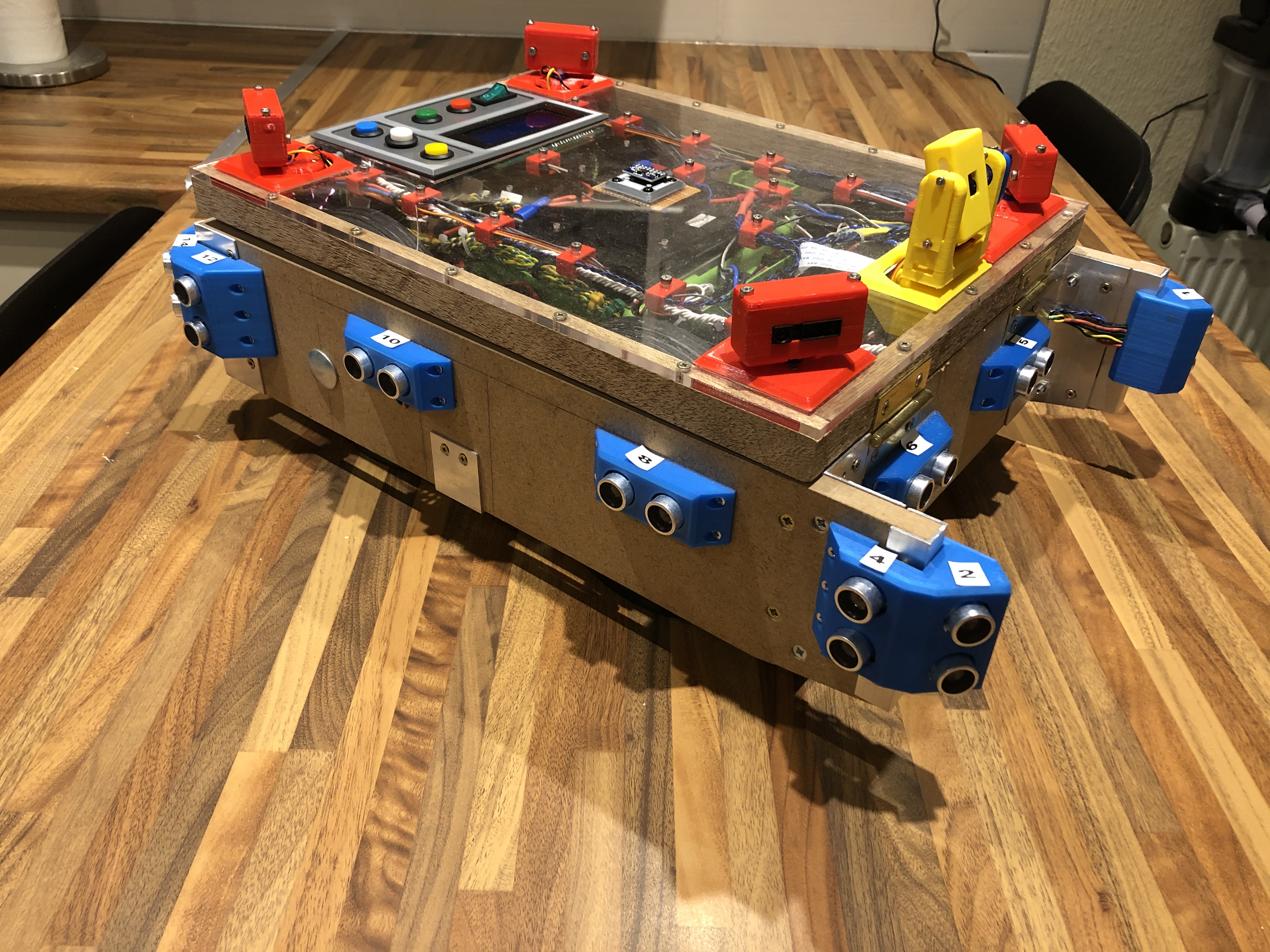
When I was at the University of Strathclyde, studying Computer and Electronic Systems, in my fourth year (Bachelors), I self-suggested a project involving the creation of an autonomous robot – a very ambitious goal where I wanted to cover the construction of a robot, including 3D printing a chassis mount, designing and assembling electronics, and of course writing the embedded software. In hindsight, it was an ambitious goal, one which could have done with a narrower scope.
University of Strathclyde Eco Vehicle
One of the earliest properly multidisciplinary engineering teams I was part of was the University of Strathclyde Eco Vehicle (USEV). In short: a large group of slightly sleep-deprived students attempting to design, build, wire, debug, break, and then re‑debug a small-scale electric vehicle for the Shell Eco‑Marathon.
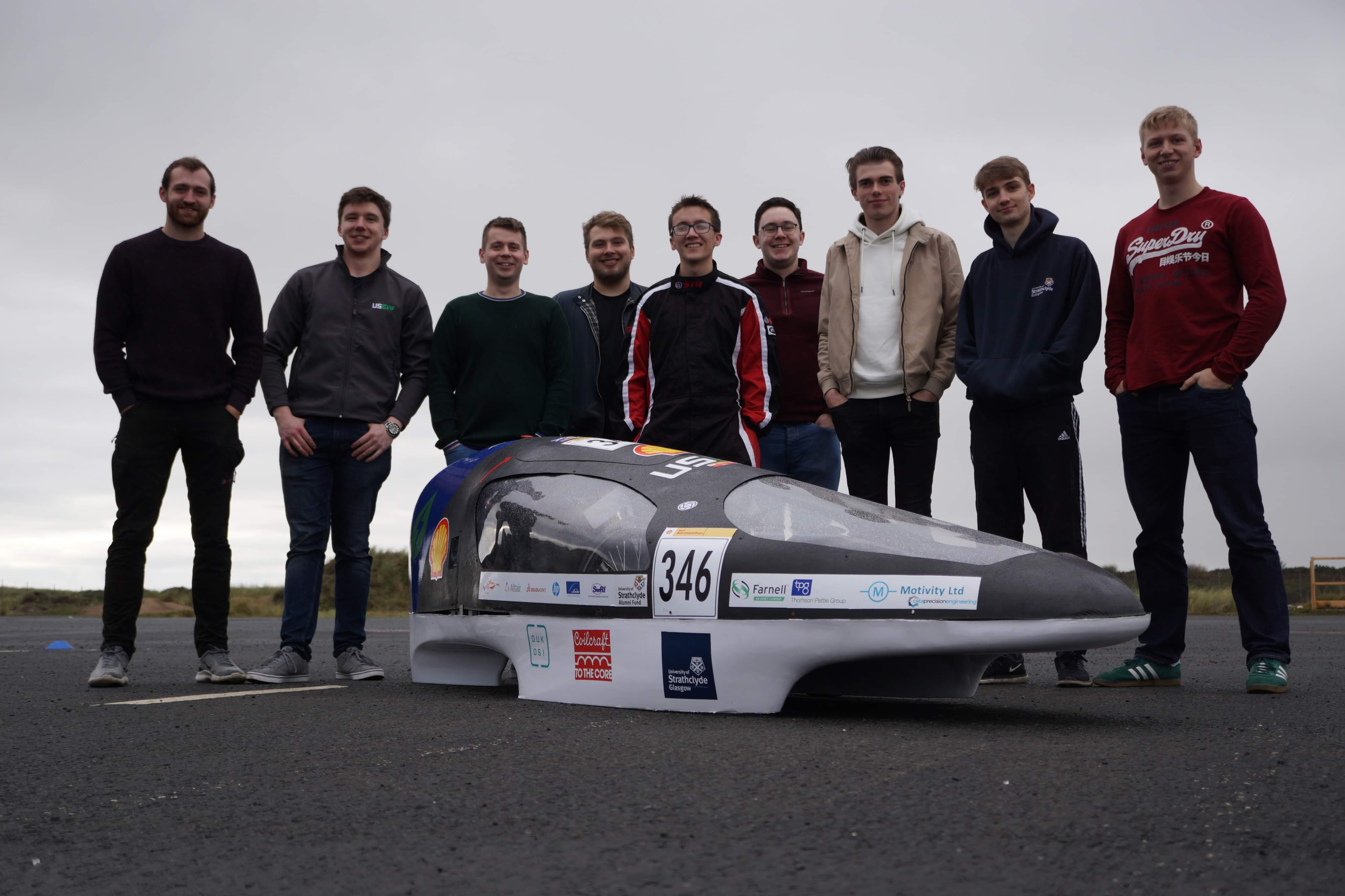
It was chaotic, technical, occasionally stressful — and genuinely one of the most fun engineering experiences I’ve had.
The Team
USEV was big. At its peak, it had 100+ students from multiple year groups and disciplines, all trying to pull in the same direction (with varying degrees of success depending on deadlines).
Developing Robotics with Security in Mind

Robotic systems are becoming increasingly prevalent in various industries, from manufacturing to healthcare. As these systems become more complex and interconnected, ensuring their security is paramount. During my time at the University of Strathclyde, I managed to get an internship with the Computer Science department and the Carnegie Trust.
The Carnegie Trust is a small independent foundation that provides research grants to both postgraduate and undergraduate students to pursue independent research. They awarded me a Vacation Scholarship that allowed me to research network security of different robotic systems. I then went on to present to both the university Interns and the Carnegie Scholars. Throughout this scholarship, I developed and analysed networked robotic systems. Then using traffic analysis, I found recurring patterns that leaked vital information about the system’s current and earlier operations.